
Why I Stopped Watching Paint Dry and Started Loving Vibratory Rollers
Hey there, let me tell you why I can’t get enough of vibratory rollers.
It’s me again, your friendly neighborhood technical sales guy who spends too much time thinking about the ground we walk on. I’ve been working in the flooring and pavement business for about five years now, and I’ve learned that how you compact the ground can make or break a project.
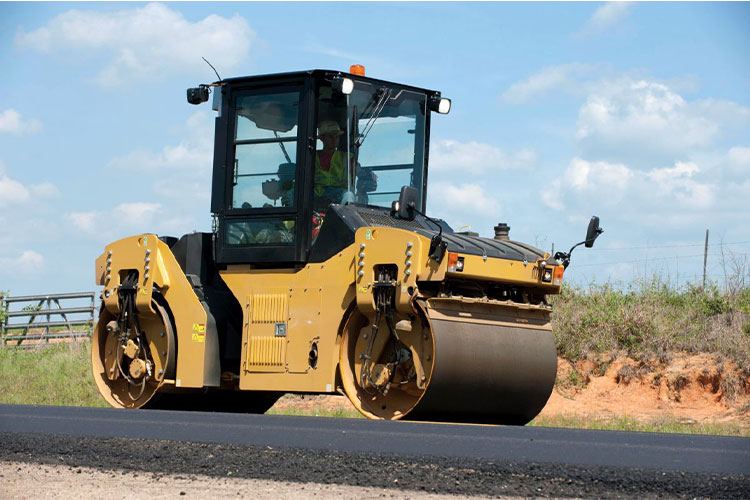
Now, let’s talk about rollers that vibrate.
That day when I felt dumb standing there
I remember this one job a few years ago when we helped fix a road and the crew used a static roller. You know, the old-fashioned kind that just rolls over the asphalt by itself. And I have to say, watching that process was like watching paint dry. They’d go over the same stretch six or seven times, and the guys were getting angry because the asphalt was cooling down too quickly. You could see it on their faces: “We’re going to be here all night.”
Then the foreman, an old man named Rick who probably knows more about roads than I ever will, finally called over the equipment guy and said, “Get the vibratory roller out here.”
That was when I had my “aha” moment.
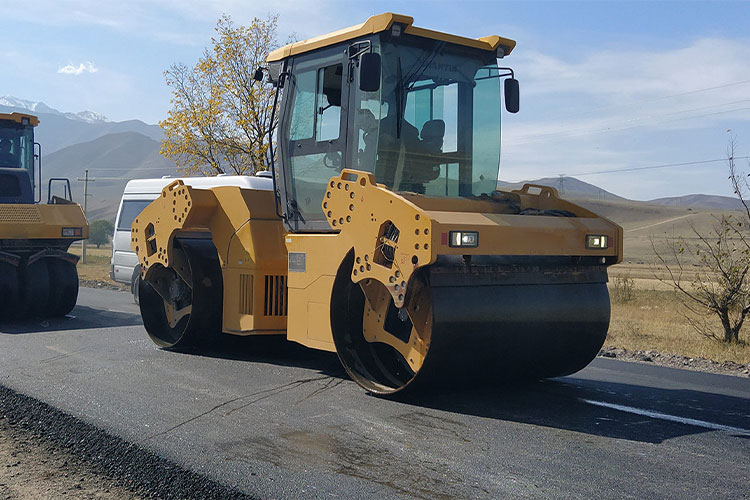
That roller came in, turned on the vibration, and in two passes, it looked better than what the static roller had done in almost an hour. Two passes. There was a huge difference. I stood there with my hands on my hips, feeling dumb for not realizing sooner how much the vibration changes the game.
What the vibration really does (in terms of suitcases)
Here’s the deal: when you build a new road or fix an old one, you’re not just flattening the material. You want the asphalt and the aggregate to really fit together. The roller’s vibration does that thing where it shakes the particles into the tightest possible arrangement. It’s like when you’re packing a suitcase and you bounce it a little to make sure everything is in place before you zip it up. It’s the same idea, but bigger. And more loudly.
What really gets me is how much time it saves. Time is always against you on the job site, right? That temperature window is especially bad for asphalt. You might as well go home if you don’t get it packed down while it’s still hot. With a vibratory roller, you can get to that sweet spot faster and with fewer passes. I’ve seen crews finish a stretch in half the time, pack up their gear while it’s still light out, and actually go home for dinner instead of getting another round of cold coffee from the gas station.
The part that no one talks about: how sane your crew is
And to be honest? The operators also get less beatdown from the machine. I’ve talked to enough roller guys to know that riding a stationary roller for hours and hours, making pass after pass, is boring. The vibratory roller cuts down on that repetition, which means less tiredness, less frustration, and probably fewer back problems in the future for the guys who run it.
I don’t want to tell you that every job needs a vibratory roller. You might want to go static or even hand-pack sometimes when you’re working on really thin lifts or very delicate work. But what if you’re working on a road, a parking lot, or any other mid- to large-scale asphalt job? If I didn’t at least suggest that you take a good look at the vibratory roller, I would feel like I was doing you a disservice.
That’s what I think after years of standing next to job sites, asking too many questions, and learning the hard way that not all compaction is the same.
If you have a project coming up and want to know what tools to use, or if you just want to talk about why some asphalt jobs fail and others last forever, get in touch with me. I love to talk about this.