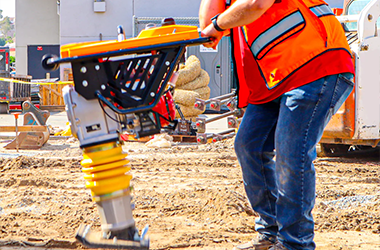

Thinking You Don’t Need a Tamping Rammer? (I’ve Done That)
Get a coffee, whatever you’re drinking. I’ve been wanting to write this down for a while, because every week I get asked: “Do I really need a tamping rammer? Why can’t I just use my plate compactor for all of it?
And look, I get that. Five years ago when I started selling this stuff, I was that guy. Plate compactor = large flat surface = job done, right?
Oh boy, was I mistaken.
I want to share my “a-ha” moment with you.
This is a job we had, small trench, utility lines, behind a grocery store. Nothing special. The specs say “backfill and compact in lifts.” My customer was a sweet stubborn contractor named Dave and he brought his trusty plate compactor.
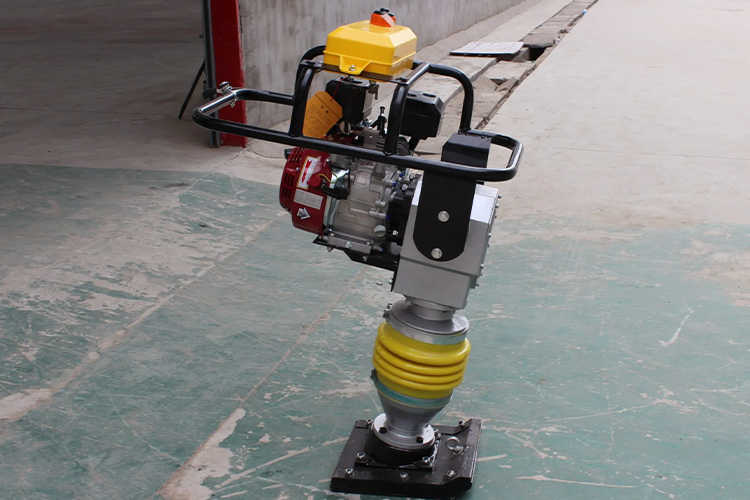
But the trench was only a foot wide. The plate compactor ? Almost two feet in width. You see the problem here.
Dave spent an hour trying to get that thing on its side, cursing at it, almost breaking his own toes. I come to check on him, he’s standing there, red in the face, saying “This thing is useless.
That’s when I gave him our tamping rammer. He looked at it like, ‘this little jackhammer thing?
Ten minutes later he came back smiling. The rammer went down into that bloody narrow cut. It beat the dirt right up against the pipe without any damage. “Why didn’t you get me to buy this last year?”, Dave said.
So the real deal is this: When do you really need a tamping hammer? Not the marketing brochure answer. The “I’ve been in the mud with you” reply.
Skinnies and filthy trenches.
If you’re laying pipe, cable, drainage… anything where the width is less than your boot… a plate compactor is a joke. It just doesn’t fit. The narrow base of the rammer (usually 12 inches or less) slides right in. And it delivers that focused punchy force directly down. No wobbling, no tipping.
Structures close to – manholes, foundations, poles.
You know that space between a concrete manhole and the trench wall? A plate compactor just rides over the concrete and does nothing.” A battering ram? You can hold it vertical, you can tilt it a little bit, and really work that soil right up against the structure. No settlement cracks there after. You’ve seen parking lots crack because someone was lazy around the light poles. Don’t be that guy.
Patches and small areas.
Ever tried to fit a 3 foot by 3 foot patch into an old driveway? You spend five minutes turning your plate compactor around and lining it up, and then you wheel it over. A rammer is grab and go. Bring it in, let it dance. One hand. For small patches it is faster than a plate. I use it for walkway repairs, back yard patio bases, even around mailbox poles.
Cohesive soils (clay, silt)
Here’s a little secret no one tells you. Plate compactors are good for granular stuff – gravel, sand. But throw them on wet clay? The plate just kind of… sits there. On top vibrates. Doesn’t really get through. A tamping rammer, with that pounding action? It is a literal pusher of soil particles. It’s better for sticky, heavy soils. That’s how I learned on a rainy September job. No. Not anymore.
Working near existing structures without breaking stuff.
Sounds opposite right? But let me finish. A big plate compactor shakes everything up within a 10 foot radius. Get too close to a house foundation or a retaining wall, and you could crack it. The vibration of a rammer is mostly vertical – down into the ground. If you are careful you can hug a wall safely. I’ve done it against old brick walls. No fissures. Happy client.
One last story, because I can’t help it.
Last year a regular client called me in a frenzy. He had just poured a new concrete slab for a shed, but had forgotten to compact the base under one corner. It was just a little space, maybe two feet this way and two feet that way. He figured he’d have to bust the slab and redo it.
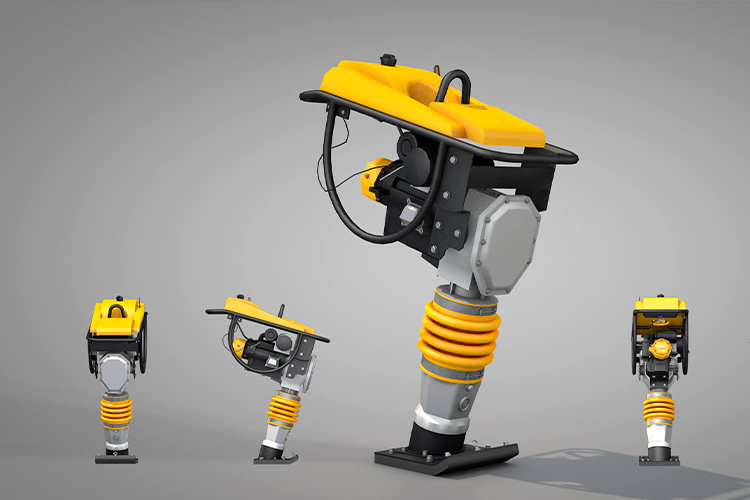
I drove over, got a tamping rammer out of the truck and worked it around the edge. Not under the slab obviously, but we exposed the side, rammed in some crushed stone and tamped it from the outside edge inward. It wasn’t perfect but it did save the slab. He bought me lunch. And the next week he bought a rammer.
Look, I’m not saying sell your plate compactor. Plates are good for wide open areas – parking lots, roads, big pads. But a ramming ram? It’s like that weird screwdriver you have to have once a month. When you want it, nothing else will do.
And really? It’s cheap to hire the rammer. Cost of redoing a failed trench due to settlement? That hurts.
So next time you’re standing next to a skinny trench, or fixing a hole near a wall, or cursing at a plate compactor that won’t fit – give me a call. Or just buy a rammer. Your back and wallet will thank you.
Now go get some dirt under your nails.